

Following the U.S. airstrike on a Syrian airbase at the beginning of April, there has been no end of speculation about how or if the U.S. military will increase its involvement in the Syrian civil war and an understandable degree of uncertainty regarding the future of the conflict.
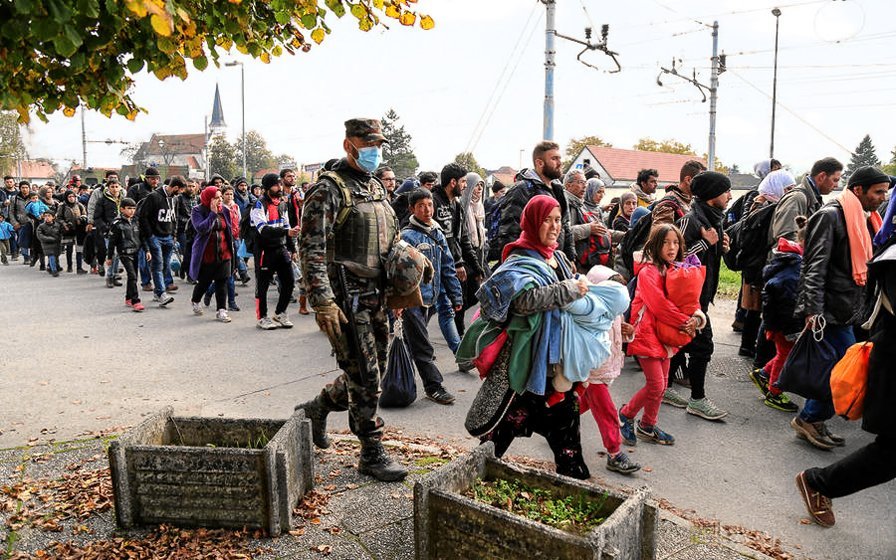
Regardless of which direction the conflict takes, however, the fact remains that nearly 5 million Syrians have been forced to flee the country to protect themselves and their families. The sheer size of that refugee population presents a serious dilemma for global humanitarian organizations and the countries that have accepted refugee resettlement within their borders — how do you provide adequate housing, food, water, and healthcare for so many displaced people?
But the refugee crisis isn’t isolated in the Middle East. Since 2015, the U.S. has accepted nearly 20,000 Syrian refugees and resettled them in major metropolitan areas around the country. A sizable portion of those 20,000 have resettled in and around Detroit.
While Syrian refugees in the U.S. likely won’t go without access to food, shelter, or healthcare thanks to federal assistance in finding work and housing, working with this population does present certain challenges for healthcare providers in Michigan and elsewhere who likely have little to no experience working with Syrians or refugees.
Physical and Mental Health

The vast majority of Syrian refugees have suffered some sort of physical or emotional trauma related to the civil war that may require treatment upon resettlement in communities in the U.S. Healthcare providers should take that trauma into account when working with Syrian refugee patients.
There are also several diseases known to affect people of Mediterranean and Middle-Eastern origin that healthcare providers in the U.S. may not be familiar with. Becoming well-informed about those conditions is also important for providing the highest quality care to Syrian refugees.
Some major areas of concern include:
- Emotional Disorders. A recent report from the CDC shows that 54% of refugees living in Syria, Jordan, Turkey, and Lebanon suffer from a “severe emotional disorder” as a result of their presence in an active warzone.
- Pediatric Mental Health. Surveys conducted at a refugee camp in Turkey found that Syrian refugee children have generally experienced very serious levels of trauma. 44% of children living in the camp reported symptoms of depression, and 45% showed some signs of Post-Traumatic Stress Disorder.
- Sexual Violence. (Content Warning: The hyperlink in this section leads to a report that includes testimonies from Syrian survivors of sexual assault.) Studies have found that 30.8% of Syrian refugee women experienced violence related to the civil war, with 3.8% reporting non-partner sexual violence. However, a number of journalists and watchdog organizations report that rape and the threat of sexual violence against both men and women have been used by government forces and pro-government militias to intimidate, control, and retaliate against Syrians who are active participants or suspected sympathizers of the opposition. In Syrian culture, however, sexual violence is heavily stigmatized and a host of social pressures make it difficult for the victims of sexual violence to report or otherwise discuss their experiences. The dispersal of Syrian refugees into asylum countries also complicates the data-gathering process. It is therefore highly likely that the reported rates of sexual violence are lower than the actual number of incidents that have occurred.
- Malnutrition. Surveys suggest that while acute malnutrition does not commonly affect Syrian refugees, chronic malnutrition (stunting) does affect 9% of children who live outside of refugee camps and 17% of children within camps.
- Anemia. Surveys conducted in a refugee camp in Jordan found a very high prevalence of anemia among Syrian refugees — 48.4% of children under the age of 5 suffer from the condition, as do 44.8% of women aged 15-49.
- Familial Mediterranean Fever. Familial Mediterranean Fever is a hereditary inflammatory disorder that commonly affects people of Mediterranean origin. 17.5% of healthy Syrians are carriers of the disorder, which can cause periodic fever and pain in the abdomen, chest, and joints. More information about the disorder can be found here.
Cultural Concerns
For many Americans, hearing news reports about the Syrian civil war has likely been their first and only major exposure to information about Syria. As a result, many may understand the major political forces involved in the conflict and may even know the names of Syria’s major cities.

But it goes without saying that Syrian culture is defined by much more than the civil war. While thoughtfully considering the traumatic effects of the conflict is important for developing treatment plans for Syrian refugees, it is equally important that healthcare providers be aware of and account for cultural differences that might come into play throughout their interactions with Syrian refugee patients.
- Mental Health Stigma. Before the start of the civil war, there was a good deal of stigma regarding mental health issues in Syrian. That stigma has been somewhat reduced as a result of the obvious need for mental health treatment in response to trauma endured during the present conflict, but healthcare providers may still find that Syrian patients, and older Syrian patients in particular, may be uncomfortable discussing mental health concerns.
- Roles of Doctors and Nurses. Before the civil war, socialist policies enacted by the Syrian government provided high-quality western healthcare to most citizens at little to no cost. As such, Syrians are very comfortable navigating the healthcare system and respect and follow the advice of their doctors. Nurses, on the other hand, might experience some difficulty working with Syrian patients. Training standards for nurses in Syria are much less stringent than they are in the U.S., and Syrians may therefore have less confidence in their nurse’s abilities than U.S.-born patients do.
- Gender and Sexuality. Syria is a majority Muslim and largely patriarchal society where interactions between men and women and discussions about sex and sexuality are more strictly regulated than they are in the U.S. In healthcare settings, this means that primary care providers should be aware that Syrian patients will likely prefer working with physicians and nurses of the same gender. Personal questions related to reproductive health and sexuality may also embarrass Syrian patients.. Female patients will likely prefer long hospital gowns for reasons of modesty as well.
- Religion. Most Syrians are observant Muslims, and will likely request food that adheres to Islamic dietary laws during hospital stays. They might also refuse to eat or take medicine during the day while observing Ramadan, a month of fasting that commemorates the revelation of the Quran to the Prophet Muhammad.
Language Barrier
Although most Syrian refugees know some basic English, very few are proficient in the language. Add in the complexity of medical jargon, and most of the conversations between Syrian patients and U.S. healthcare professionals could very well end up misinterpreted. Here are a few easy ways to improve doctor-patient communication:
- iPads or other digital devices. Having a device ready to help you connect with a Video Remote Interpreter is a great way to enhance communication with Syrian patients. To learn more about Video Remote Interpreting and how it could fit into your organization’s care procedures, click here.
- On-site Interpreter. Having a person on-site to interpret is the most effective way to overcome the language barrier. Any discussion involving highly sensitive information like mental health issues will probably require an on-site interpreter as well. Syrians speak colloquial Arabic, and should be able to work successfully with interpreters from other Arabic-speaking countries.
If you have already noticed an increase in the number of refugee or immigrant patients arriving in your office, it may be time to think about implementing a Language Access Plan. Here at Bromberg we offer many resources to help make communication as seamless as possible, including guidance in developing a Language Access Plan that will allow you to provide your patients with the language assistance they need while ensuring your organization meets federal compliance standards. Click here to learn more about developing your own plan today.